
Hadrian's Wall history at a glance
Hadrian's Wall history begins with a Roman army building a frontier on Emperor Hadrian's orders from AD 122. The wall was part of a system that controlled movement across the frontier. Forts, roads, ditches and civilian settlements help explain how people lived and travelled around it.
The remains are part of the Frontiers of the Roman Empire World Heritage Site, inscribed in 1987. A modern visit can combine outdoor remains with museum collections. For a practical starting point, see the Haltwhistle guide and decide which sites and journeys fit your day.
Our take
The Haltwhistle guided day includes two museum entries, while the private Windermere departure includes Vindolanda and the Roman Army Museum. The five-day circuit lists visits without promising admission.
Hand-picked tours, booked through GetYourGuide. Prices are indicative starting prices in British pounds (as of October 2026). Tap a tour for live availability and the current price in your currency.
Roman sites from Windermere
- Mercedes Viano for 6 passengers
- Onboard commentary in English
- Roman Army Museum and Vindolanda entrance
The vehicle has capacity for six passengers. Entry fees not specified are extra.
Check availability →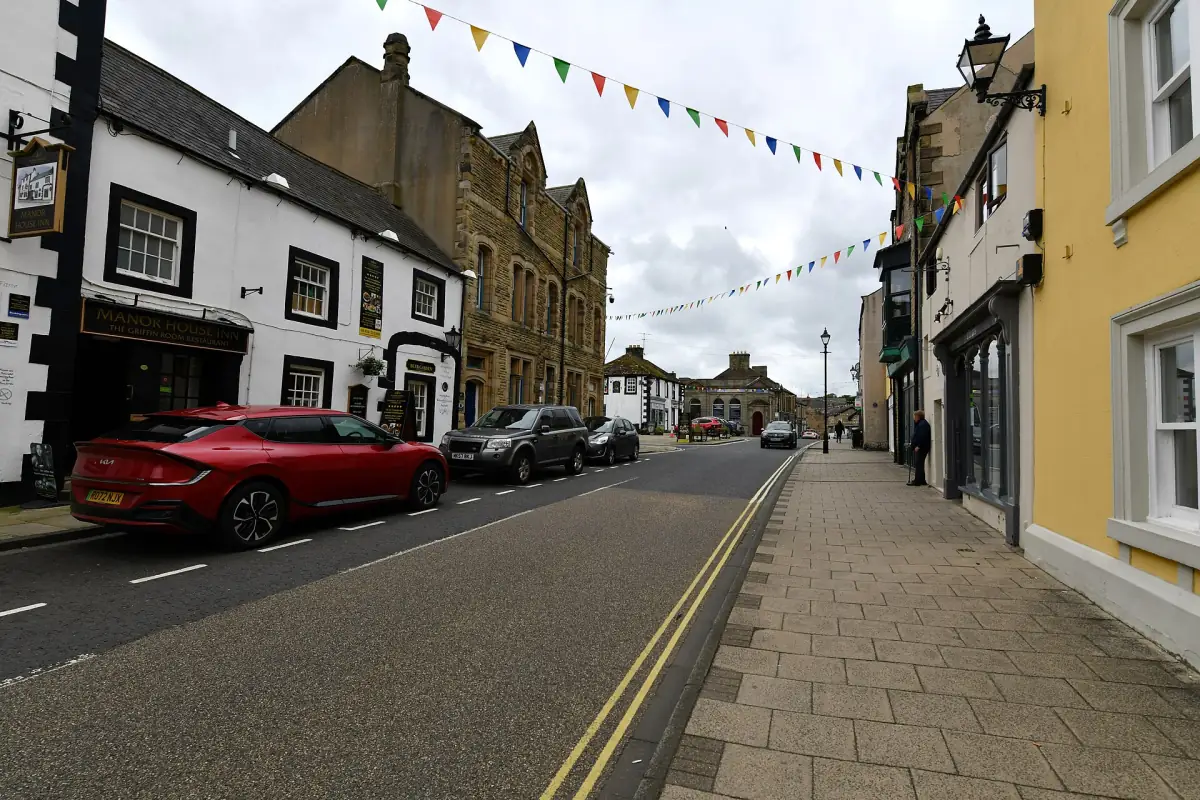
Northern Britain circuit from Newcastle
- Visit to Vindolanda
- Visit to the Roman Army Museum
- Visit to the Lake District
The itinerary lists visits, but does not specify included admission. Check the accommodation terms before booking.
Check availability →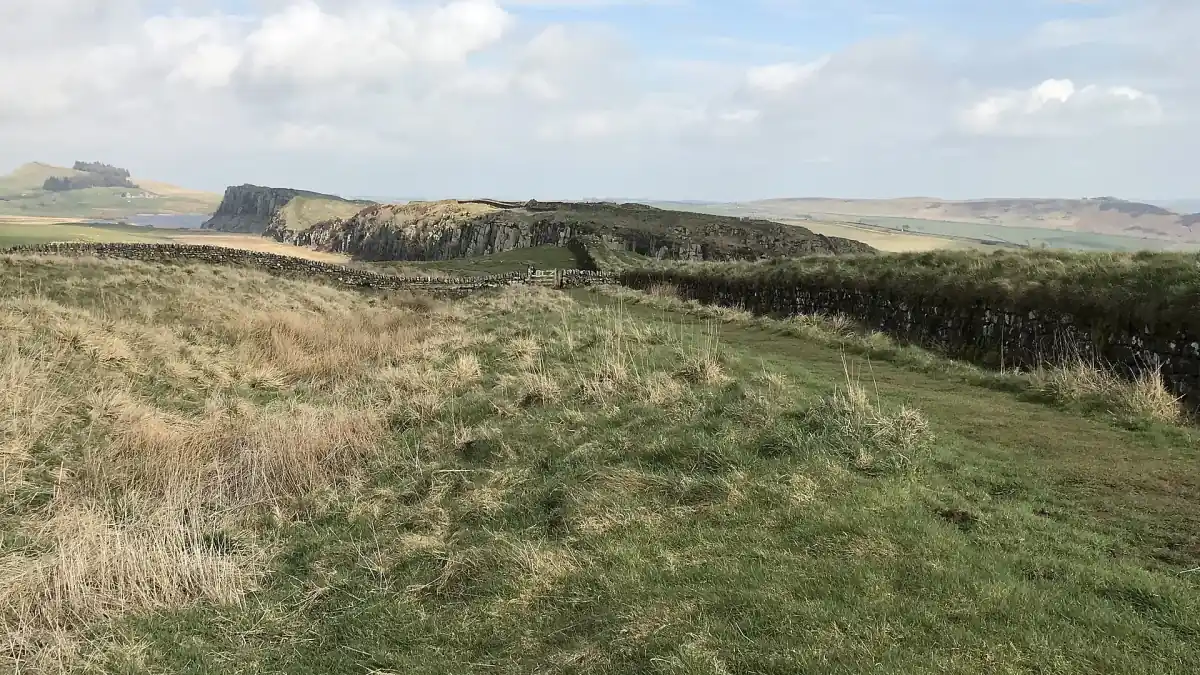
Roman Britain with a guide
- In-depth information on Roman Britain
- Entry to two Roman museums
Two entries are included from Vindolanda, the Roman Army Museum, Housesteads and Chesters; the choice is not fixed. Transport is not included and parking is extra.
Check availability →Trips and tickets
Compare departure points, inclusions and availability before booking.
A frontier was more than a wall
The stonework is the most visible feature in many places, but it was only one element of a wider landscape. The Vallum, a ditch and earthwork, formed part of that setting along with forts, watchtowers and roads. Looking across the ground between remains helps visitors understand the frontier as an organised system rather than a single isolated structure.
Control of movement also involved the exchange of people and goods. Soldiers needed places to live and work, and civilian settlements developed around forts. The remains seen today give only part of that story, so a museum visit can add context to the buildings and landscape outside.
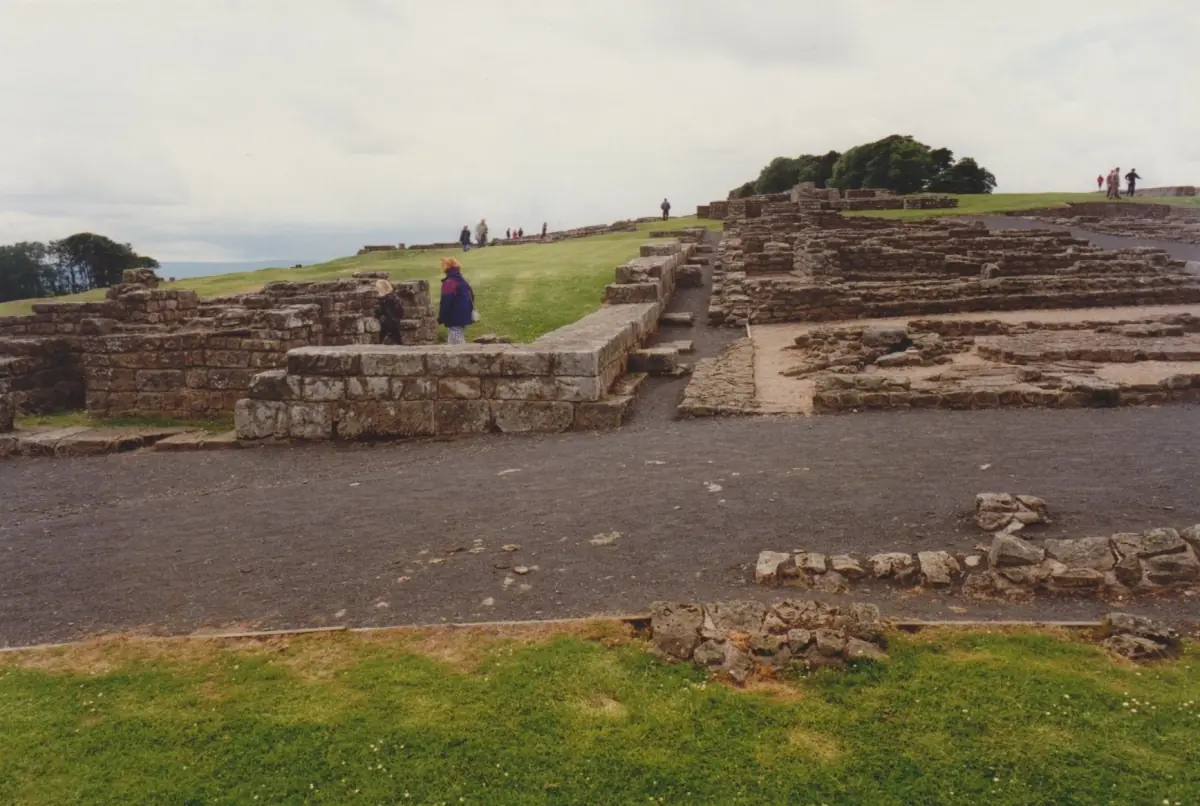
At Housesteads, fort remains and the civilian settlement south of the fort offer a way to explore that relationship. The preserved latrines are another feature of daily life. The site has a steep approach from the lower car park, so consider access as well as opening hours when making plans.

Historic buildings and Roman construction
Roman forts used different structures for military organisation and everyday needs. At Vindolanda, outdoor remains include buildings, baths and settlement features, alongside reconstructions identified as replicas. The physical remains and museum displays complement each other: one gives a sense of the site, the other shows objects recovered from it.
Vindolanda lies south of the wall on the Stanegate road, and its earliest Roman installation predates the wall. Its writing tablets preserve traces of private and military life. The museum displays a selection of these finds; exhibits can be considered alongside the evidence from ongoing excavation work.
At the separate Roman Army Museum, galleries, a Roman classroom and an HD film provide another introduction to the army. Read our Vindolanda and Roman Army Museum guide for tickets, access and the journey between the sites. Their separate locations matter when deciding how much to include in one day.
Haltwhistle beyond Roman times
The town has a history beyond the frontier. Local historical material covers ironworks, mills and mining around Haltwhistle Burn in the nineteenth century, as well as the arrival of the railway in the 1830s. Holy Cross Church dates from the thirteenth century. These subjects offer a different scale from the Roman landscape outside town.
A guided history day starting at Cawfield Quarry includes entry to two of four possible Roman sites. The selection can vary, and transport between sites is extra. Another experience begins in Windermere and includes transport, English onboard commentary and entry to Vindolanda and the Roman Army Museum. Compare the starting points before booking.
A five-day journey from Newcastle Central Station also visits Vindolanda and the Roman Army Museum. It is a longer itinerary, so consider it alongside the day trips and tickets rather than treating it as a single-site admission. For walking independently, see the trail guide and plan your return.
FAQ
When did construction begin?
The Roman army began construction under Hadrian in AD 122.
What was the Vallum?
It was an earthwork and ditch within the wider frontier landscape, alongside forts, roads and other structures.
Where can I learn about Roman daily life?
Vindolanda's museum and the separate Roman Army Museum use finds and displays to explore life at the frontier. Check the opening times of each site.