
Walking Hadrian's Wall Path
Hadrian's Wall Path is a 135 km National Trail between Wallsend and Bowness-on-Solway. It is a walking route through the frontier landscape, distinct from the Roman wall itself. The acorn symbol marks the trail in both directions. Experienced walkers commonly allow about six to seven days for the full route, while a shorter section can make a rewarding introduction.
The central landscape has grassy paths and short steep climbs and descents. Choose a route to suit your experience, check conditions before departure and leave enough time to return. A visit to Housesteads Roman Fort or Birdoswald can add historical context, but admission and opening arrangements are separate from the trail.
For a guided introduction, the short walk shown here includes admission to a Roman fort and walking poles. It is a short experience rather than a booking for the complete National Trail. Read the meeting and route details when choosing your date. More options are described in our guide to guided wall walks.
Our take
The short guided walk offers an introduction to the wall with a fort entry.
Hand-picked tours, booked through Viator. Prices are indicative starting prices in British pounds (as of October 2026). Tap a tour for live availability and the current price in your currency.
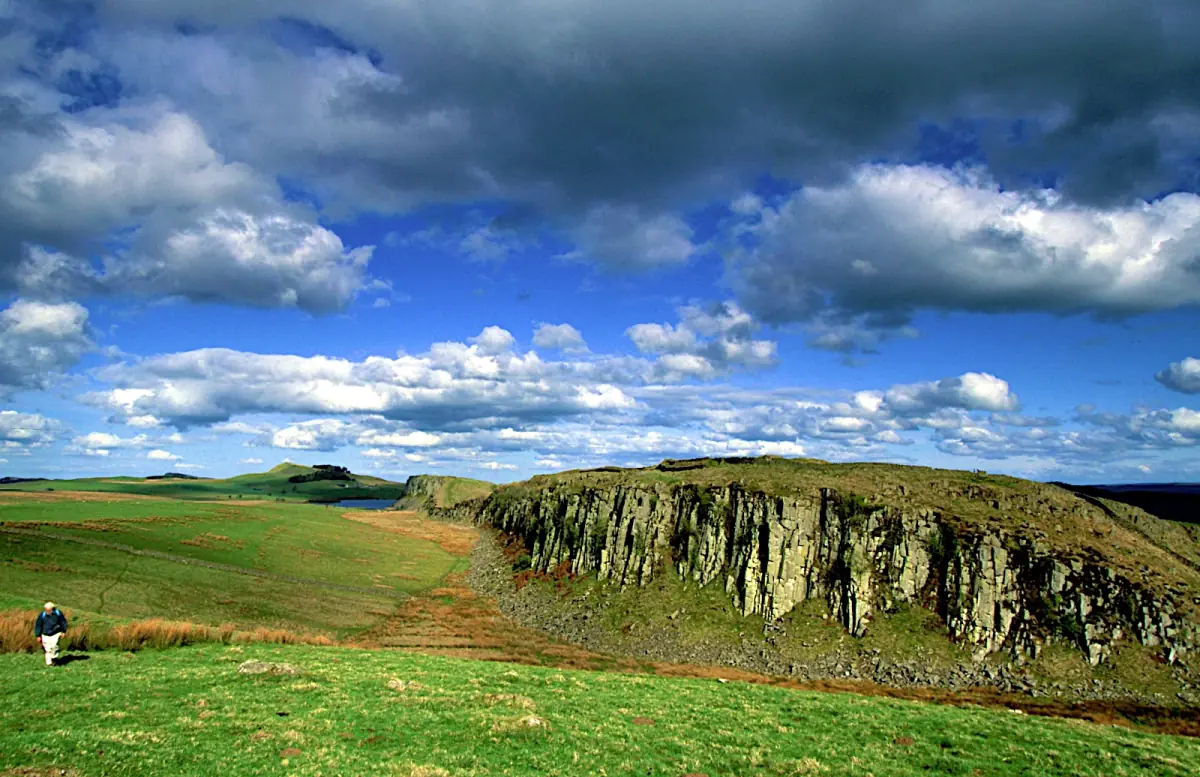
Tickets and experiences
Explore the available option for your visit.
Stages and planning
There is no need to divide the route into identical days. Published examples include Chollerford to Steel Rigg at 19 km and Steel Rigg to Walton at 26 km. These are planning examples, not required daily stages. Consider the climbs, your walking pace, accommodation and the journey to and from each starting point before choosing your own distances.
The section from Chollerford to Birdoswald is described as 37 km with short, steep ascents and descents. Even a modest distance can take more effort on uneven ground. At the western end, account for tides between Dykesfield and Drumburgh and between Port Carlisle and Bowness. Follow local diversion signs when applicable and check up to date access information before travelling.
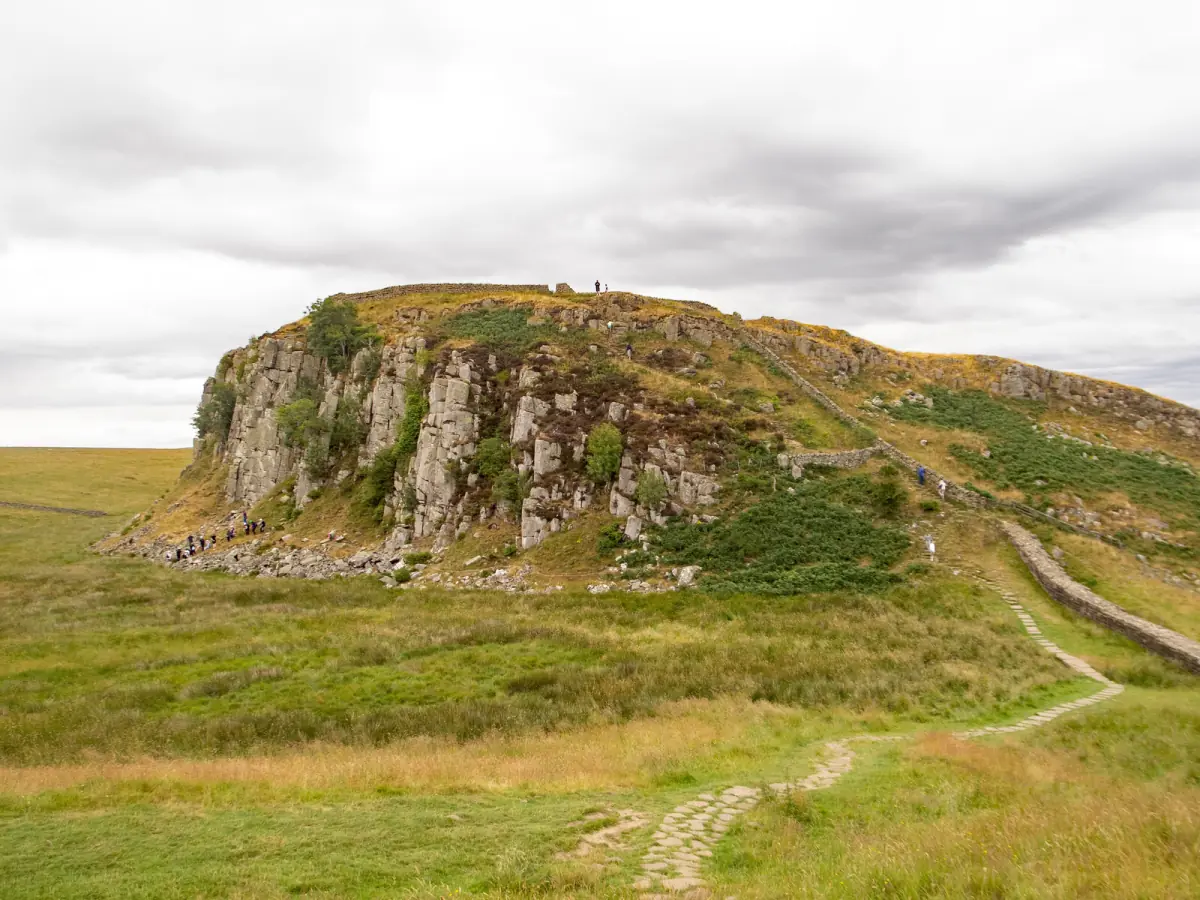
Steel Rigg and Sycamore Gap
Steel Rigg gives access to the wall on the crags, with views towards Crag Lough. A published Sycamore Gap circular walk starts at Housesteads Visitor Centre, not at Steel Rigg. The 8 km route is graded moderate and includes steep climbs and descents, returning by the Military Way. Check current local information and signs before setting out.
The original Sycamore Gap tree was felled in 2023. In September 2026 the National Trust reported new growth from its living stump. Respect the protected area and avoid disturbing the recovery. Do not treat an old photograph of the tree as a picture of the site today.
When to walk and what to carry
The National Trail is open throughout the year, with Easter to October recommended to help protect the route. That recommendation is not a winter closure. Paths can become muddy when wet and the summer can be busy. Check the forecast, choose footwear for the terrain and adapt your plans to the daylight available.
Carry a map and compass and know how to use them. Leave your route and expected return time with someone, rather than relying only on a phone or GPS. Keep dogs on a lead where livestock are present. For transport options, see getting to the wall, and check the current timetable for both directions.
At Cawfields, a former quarry provides access to a wall section and Milecastle 42. Swimming is prohibited, and the quarry edge is especially hazardous at night. The car park charge is separate from entry to attractions, and overnight parking is not allowed there. If using a different starting point, check its parking rules separately.
Hadrian's Wall Path questions
How long is the trail?
The National Trail is 135 km. Experienced walkers often plan around six to seven days for the complete route.
Can I walk just one section?
Yes. Choose a distance and return journey that suit the conditions and your experience.
Is Sycamore Gap's tree still standing?
The original tree was felled in 2023. New shoots from the living stump were reported in September 2026; respect the protected area.